Loading...
Serving Walnut Creek, CA and surrounding areas. (925) 532-0850
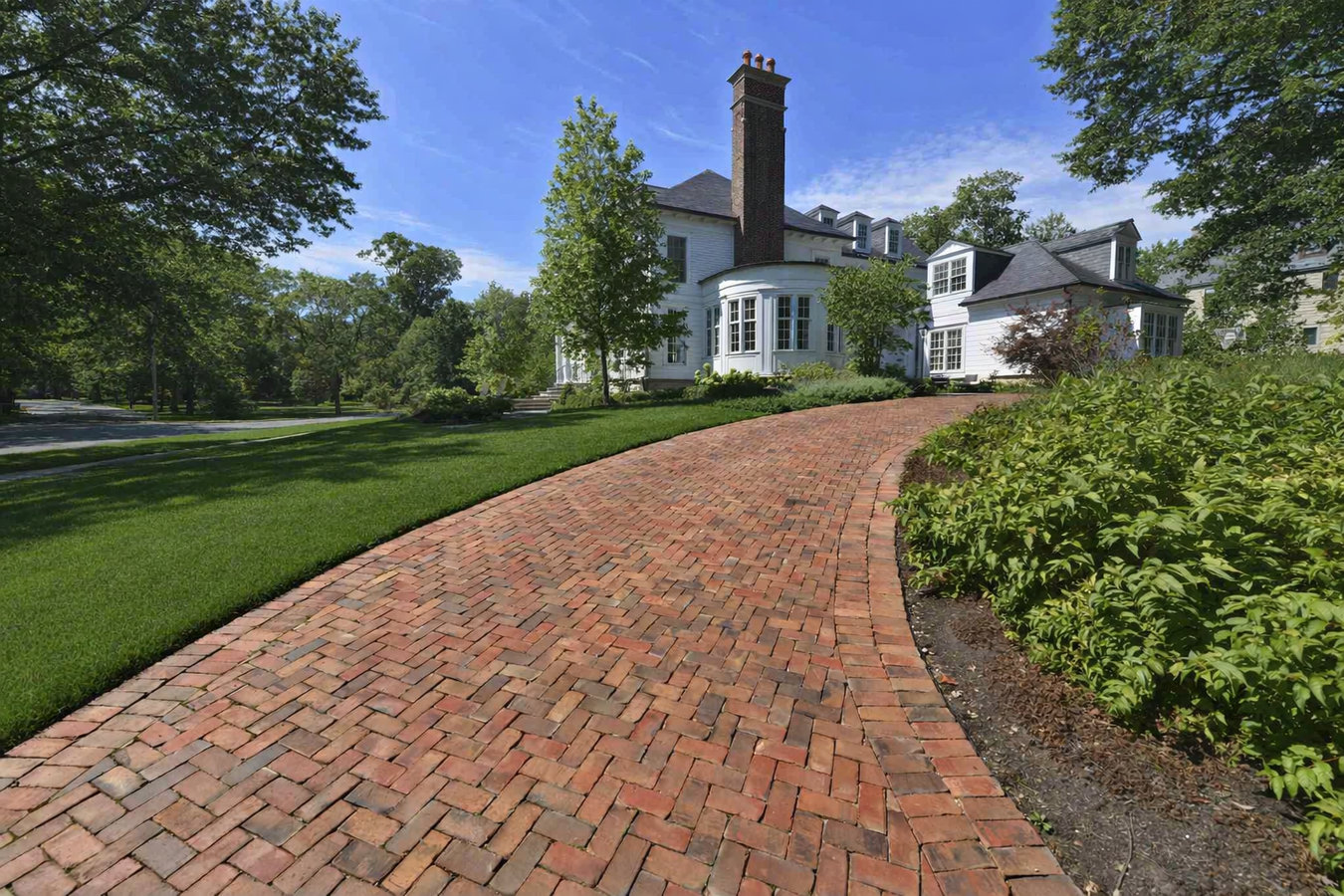
A cracked, heaving walkway is more than an eyesore. It is a tripping hazard that gets worse every rainy season. We build walkways on bases designed for Walnut Creek's clay soil so they stay flat and drain properly long after installation.
Walkway construction in Walnut Creek means excavating the area, compacting the soil, laying a gravel base, and installing your surface material - concrete, pavers, or natural stone - with drainage sloped away from your home. Most standard front walkways take one to three days from start to finish.
The visible surface is only part of what determines whether a walkway holds up. In Walnut Creek, the Diablo Valley's clay soil swells in wet winters and shrinks in dry summers - and that movement is what cracks walkways built without a proper base. We design the base layer for that cycle, which is why a path we install looks and performs the same in March as it did the day we finished. If your project includes a connected driveway area, our driveway pavers service can extend the same material and base preparation from your walkway all the way to the street for a consistent, well-drained surface across your entire front approach.
Many Walnut Creek homes were built in the 1960s through 1980s, and their original concrete paths are overdue for replacement. A new walkway in a material that suits your home - brick pavers, flagstone, or clean concrete - also makes a real difference in how your front entrance feels, whether you are staying put or planning to sell.
If you can see cracks running across the surface, or if one section sits noticeably higher or lower than the next, the base underneath has shifted. In Walnut Creek, this is often caused by the clay soil expanding and contracting with the seasons, or by tree roots pushing up from below. A heaved walkway is a tripping hazard that gets worse every year if left alone.
After a winter storm, walk outside and look at your walkway. If water sits in low spots rather than running off, the surface is no longer draining properly. Standing water makes the surface slippery, accelerates cracking, and can direct moisture toward your home's foundation - a real concern during Walnut Creek's wet season.
Concrete surfaces can develop a rough, pitted texture or start to flake on top over time. This is called spalling, and it happens when the surface layer weakens from weather exposure, age, or a poor original mix. Once the surface starts breaking down, it tends to get worse quickly and becomes harder to clean and maintain.
Some homes, especially those on sloped lots common in the Walnut Creek hills, have no defined walkway at all - just grass, gravel, or stepping stones that become muddy and slippery in winter. If guests are navigating an unclear or unsafe path to your front door, that is a practical problem worth solving before the rainy season arrives.
We build walkways throughout Walnut Creek and surrounding Contra Costa County communities, using concrete, brick pavers, natural stone, and permeable paver systems. Every project starts with excavation and base preparation sized for local soil conditions - not the minimum that might work on a stable site elsewhere. For homeowners who want a coordinated front approach, we also install driveway pavers using the same materials and drainage principles so your walkway and driveway feel like one intentional design rather than two unrelated projects. And for homeowners who want a more substantial boundary or garden wall alongside a new walkway, our brick wall installation crew can plan both scopes together from the start.
We work in HOA-governed neighborhoods throughout Walnut Creek - Northgate, the Lakewood area, and others - and can help you choose materials that meet your association's design guidelines before any work is submitted for approval. You get a written estimate that covers materials, base preparation, labor, and cleanup, with no costs added after the fact. The California Stormwater Quality Association guidelines inform our drainage and permeable paver design decisions for projects near storm-sensitive areas in Contra Costa County.
Best for homeowners who want a durable, low-maintenance surface at a practical cost - with broom finishes, exposed aggregate, or light decorative touches available.
Right for homeowners who want a traditional look that fits established Walnut Creek neighborhoods - and the flexibility to reset individual pieces if roots or soil shift them over time.
Suited for homeowners who want flagstone, bluestone, or similar materials that give a walkway a distinctive, high-end appearance and complement mature landscaping on older lots.
Ideal for homeowners with drainage concerns or stormwater requirements, where water filtering through the joints into the base reduces runoff and protects surrounding soil from erosion during Walnut Creek's wet winters.
Walnut Creek's Diablo Valley location means the ground underneath your walkway behaves differently than it would on a flat site with stable soil. The native clay swells significantly when it absorbs rain during the November-through-March wet season, then contracts in the long, hot summer. Contractors who do not account for this build walkways that look fine at installation and start cracking within two or three years. We dig deeper, use a thicker gravel base, and design the surface grade to move water away from your home rather than letting it pool and work into the soil underneath. Homeowners in Pleasant Hill and Concord face similar soil conditions, and we apply the same approach across all our service areas in Contra Costa County.
Tree roots are the other factor that catches homeowners off guard in Walnut Creek's older neighborhoods. Valley oaks, liquid ambers, and other mature trees have had decades to spread their roots - and those roots lift concrete in ways that no surface repair can permanently fix. When we assess a walkway near established trees, we route the path to minimize root conflict where possible, or recommend a paver system where individual pieces can be lifted and reset as roots continue to grow. The National Concrete Masonry Association provides base preparation and material standards we reference when designing paths on sites with known soil movement or root challenges.
We will ask a few basic questions about your walkway - length, material ideas, any obvious issues like tree roots or a slope - and schedule an on-site visit within a few days. You do not need to have all the answers before we come out. We reply within one business day.
We walk the area, check the slope and drainage, look at the soil, and ask about HOA guidelines or material preferences. Based on what we see, we put together a written estimate that breaks down cost by material, labor, and any prep work needed - no vague ranges, no surprises added later.
On the first day, the crew removes any existing surface, digs to the right depth, and compacts the soil and gravel base. Installation follows - concrete poured and finished, or pavers and stone set and leveled. Most standard front walkways take one to three days total.
After installation, we clean up the work area and walk you through what to expect during curing. For concrete, stay off it for at least 24 to 48 hours and avoid heavy loads for about a week. We let you know how to reach us if you notice anything in the first few weeks.
Free on-site estimate. Written quote before any work begins. No obligation.
(925) 532-0850We design every base layer for the specific soil behavior of Walnut Creek and surrounding Contra Costa County communities. Deeper excavation, thicker gravel, and proper compaction are not optional extras - they are what separates a walkway that holds up from one that cracks in two years. That local knowledge comes from doing this work here, not elsewhere.
Every estimate includes materials, base preparation, labor, and cleanup - spelled out before work starts. The number you agree to is the number you pay. We do not introduce new costs after the first shovel goes in. If the scope changes, we discuss it with you first.
We have worked in Northgate, Lakewood, Rossmoor, and other HOA-governed communities throughout Walnut Creek. We know which materials and finishes tend to pass architectural review and can help you submit materials that are likely to be approved the first time - saving you the delay of a rejection and resubmission.
California state law requires a valid contractor's license for any job over $500 in materials and labor. You can verify any contractor's license on the CSLB website before work begins. We carry general liability insurance and workers' compensation coverage, and we pull permits whenever the project requires one.
These are not abstract credentials - they are the practical details that protect you when you hire someone to work on your property. A properly prepared base, a clear written quote, familiarity with your neighborhood's rules, and a license you can verify: that is what a walkway project should look like from start to finish.
A brick wall alongside your walkway defines the space and adds a finished look that pavers and concrete alone cannot provide.
Learn MoreExtend the same paver material and base preparation from your walkway to the driveway for a unified, well-drained front approach.
Learn MoreSpring booking slots fill quickly. Reach out now to lock in your preferred start date before the busy season.