Loading...
Serving Walnut Creek, CA and surrounding areas. (925) 532-0850
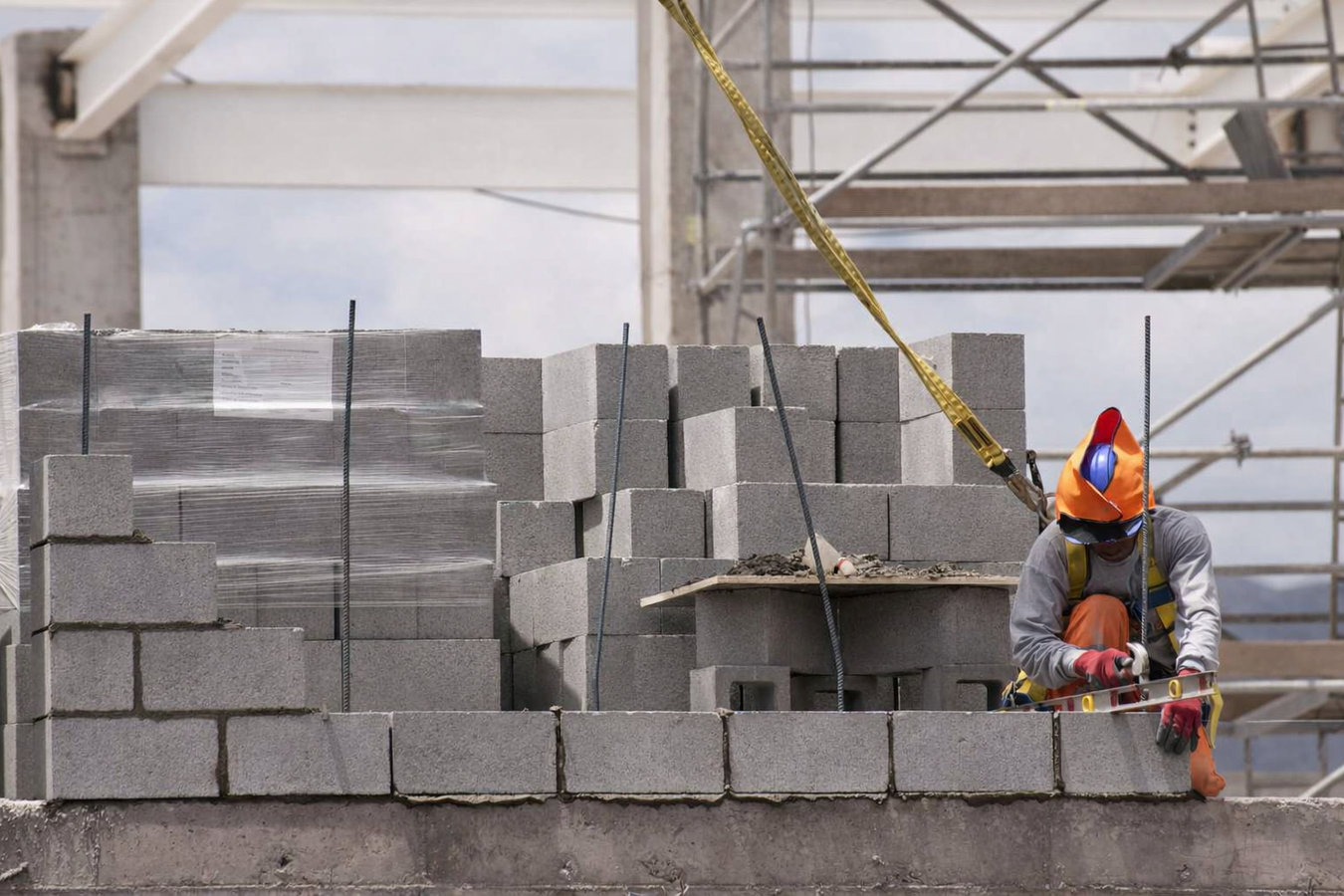
A foundation wall that is not properly reinforced or waterproofed will cost you far more to fix later. We install block walls with the seismic steel, grouted cores, and proper drainage that Bay Area homes actually need.
Foundation block wall installation in Walnut Creek uses individual concrete masonry units stacked in mortar to form the perimeter wall that carries your home above it, most residential projects run from a few days to two weeks of active construction once permits are in hand.
These are the walls you see in basements and crawl spaces - the structural perimeter that transfers your home's weight into the ground. Homes built in Walnut Creek between the 1950s and 1980s often have original block walls that were not built to today's seismic standards, and many show signs of moisture or movement after decades of exposure to the area's expansive clay soils. If your foundation project also involves a larger scope of soil retention or grading, our outdoor kitchen masonry team or our dedicated foundation repair service can handle what comes before or after the block wall installation.
Because Walnut Creek sits near active fault lines and on clay-heavy soils that move with every wet and dry season, every foundation wall we install is built with steel reinforcement through the block cores and proper exterior waterproofing. These are not options you should have to ask for - they are the baseline for a wall that will still be sound in 30 years.
Cracks running sideways across a foundation wall - especially wider in the middle than at the ends - indicate the wall is bowing inward under soil pressure. Walnut Creek's expansive clay soils swell and shrink with every rainy season, putting ongoing lateral force against foundation walls. A bowing wall can eventually fail completely, so early assessment by a licensed contractor is important.
White chalky deposits on a basement or crawl space wall - called efflorescence - form when water moves through the block and leaves minerals behind. Damp patches or a musty smell after Walnut Creek's wet winters are related signs that moisture is penetrating a wall that was not properly waterproofed or that has aged past its original waterproofing. Left unaddressed, moisture leads to mold and structural damage.
When a foundation wall shifts or settles, the house frame above it can rack out of square. The first visible sign is often doors or windows that used to move freely but now stick or leave gaps at the corners. This is especially common in Walnut Creek's older neighborhoods where original foundations were built before modern seismic standards.
If the wooden sill plate sitting on top of your foundation wall has pulled away, shows visible rot, or you can feel a draft at the connection point, the link between your foundation and your house has been compromised. This is a structural issue, not a cosmetic one, and it should be assessed before the separation grows and leads to more expensive repairs.
We install and repair residential foundation block walls throughout Walnut Creek and surrounding Contra Costa County communities. New installations begin with proper footing excavation sized for local soil conditions, followed by block-by-block construction with steel reinforcing bars through the cores and grouted solid - the approach required by California building standards and verified by a city inspector. When the project scope also calls for an outdoor structure built on the same site, our outdoor kitchen masonry team coordinates directly with the foundation crew to make sure both structures share a compatible footing design. And when the primary problem is an aging wall that has settled or cracked, we handle that under our foundation repair service, which often involves repointing mortar, filling voids in the cores, and adding seismic reinforcement to an existing unreinforced structure.
Waterproofing is part of every new foundation wall job we do - not an upsell you have to ask for. The exterior face of each wall gets a waterproofing membrane before backfill goes in, and we grade the surrounding soil to direct rainwater away from the base. In a city where winters can deliver several inches of rain in a single week, this step is what keeps a new wall dry and structurally sound season after season.
Suited for homeowners adding an addition, accessory dwelling unit, or new structure that needs a code-compliant foundation built to current seismic and waterproofing standards.
Right for homeowners whose below-grade walls show moisture infiltration, bowing, or cracking that needs a targeted repair or a full section replacement to restore structural integrity.
Best for owners of older Walnut Creek homes whose original foundation walls were built without the steel reinforcement that today's earthquake standards require, reducing risk before a significant seismic event.
Ideal for homeowners dealing with isolated cracks, failed mortar joints, or sections that have shifted - where targeted repair and repointing restores a sound wall without the cost of full replacement.
Walnut Creek sits near the Calaveras and Concord fault systems, two of the most active fault zones in California. Any foundation wall built here must be designed to flex and resist lateral movement during a quake - not just support vertical load. For you as a homeowner, this means a more reinforced wall than you might see specified elsewhere in the country, with steel rebar through the cores and concrete fill that adds cost but is genuinely non-negotiable in earthquake country. The city's expansive clay soils create a second challenge: they swell during wet winters and shrink in dry summers, a repeated cycle that pushes and pulls against foundation walls from the outside. A contractor who understands these conditions will size footings for local soil behavior, not a generic rule of thumb, and will design drainage and backfill to reduce that seasonal pressure as much as possible. Homeowners in Pleasant Hill and Martinez face the same soil and seismic conditions, and our work throughout those communities gives us a detailed picture of what local foundations actually encounter.
Walnut Creek also has a significant share of homes built between the 1950s and 1980s - a period when seismic reinforcement standards were far less rigorous than they are today. If your home falls in that range, its original foundation block wall may not meet current requirements. That does not automatically mean it is failing, but it does mean a professional assessment is worth scheduling before you discover a problem during a sale or, worse, after a significant earthquake. The permit process through the City of Walnut Creek Building Division is a protective step, not a burden - every inspection it triggers is an independent set of eyes confirming your foundation is built to protect your home.
When you reach out, we will ask a few basics - what you are seeing, how old your home is, and whether any prior foundation work has been done. You do not need all the answers, just describe what you have noticed. We respond to every inquiry within one business day.
We visit your property, check the wall from inside and outside where possible, assess soil conditions, and look at equipment access. You receive a written estimate that breaks down scope and cost - including permit fees if the project requires one - so there are no surprises later.
Once you accept the estimate, we submit the permit application to the City of Walnut Creek and keep you updated on review timing. While permits process, we schedule the crew and coordinate material delivery - you do not have to track any of that yourself.
Block work is built course by course with steel reinforcement and grout fill. A city inspector verifies the work at key stages - a normal, protective part of the process. Once the wall is up and cured, we apply exterior waterproofing, backfill, and grade for drainage. The permit closes out with a final inspection, and we walk you through what was done.
Free written estimate, permits handled, no obligation to commit.
(925) 532-0850Every foundation wall we install includes steel reinforcing bars through the block cores, grouted solid - the approach required by California building standards for earthquake-prone areas. This is not an upgrade we charge extra for; it is the baseline for any permitted foundation project in Walnut Creek.
We manage the full permit process through the City of Walnut Creek Building Division - application, scheduling, and inspection coordination. You never have to chase the building department or wonder where your permit stands. When the job is done, everything is documented and closed out properly, which protects your home's value at resale.
A new foundation wall without proper exterior waterproofing will show moisture problems within a few Bay Area rainy seasons. We treat waterproofing as a core part of every new wall installation - not an add-on - so your investment stays dry through wet winters for the long haul.
California requires every masonry contractor to hold a current license from the California Contractors State License Board. You can verify our license in seconds before you sign anything - we encourage every homeowner to do exactly that before hiring any contractor for structural work.
Foundation work is expensive, structural, and hard to evaluate if you are not in the trade - we understand that, and we run every project so you always know what is happening and why. Clear written estimates, regular communication, and permits done right are the minimum you should expect from any contractor you hire for this work.
Permanent built-in outdoor kitchens using the same reinforced concrete footing principles that keep foundation walls stable on Bay Area soil.
Learn MoreTargeted repair and reinforcement for existing foundation walls showing cracks, moisture, or seismic vulnerabilities in older Walnut Creek homes.
Learn MorePermit season fills fast - reach out now so your project gets on the schedule before the next rainy season arrives.