
Loading...
Serving Walnut Creek, CA and surrounding areas. (925) 532-0850
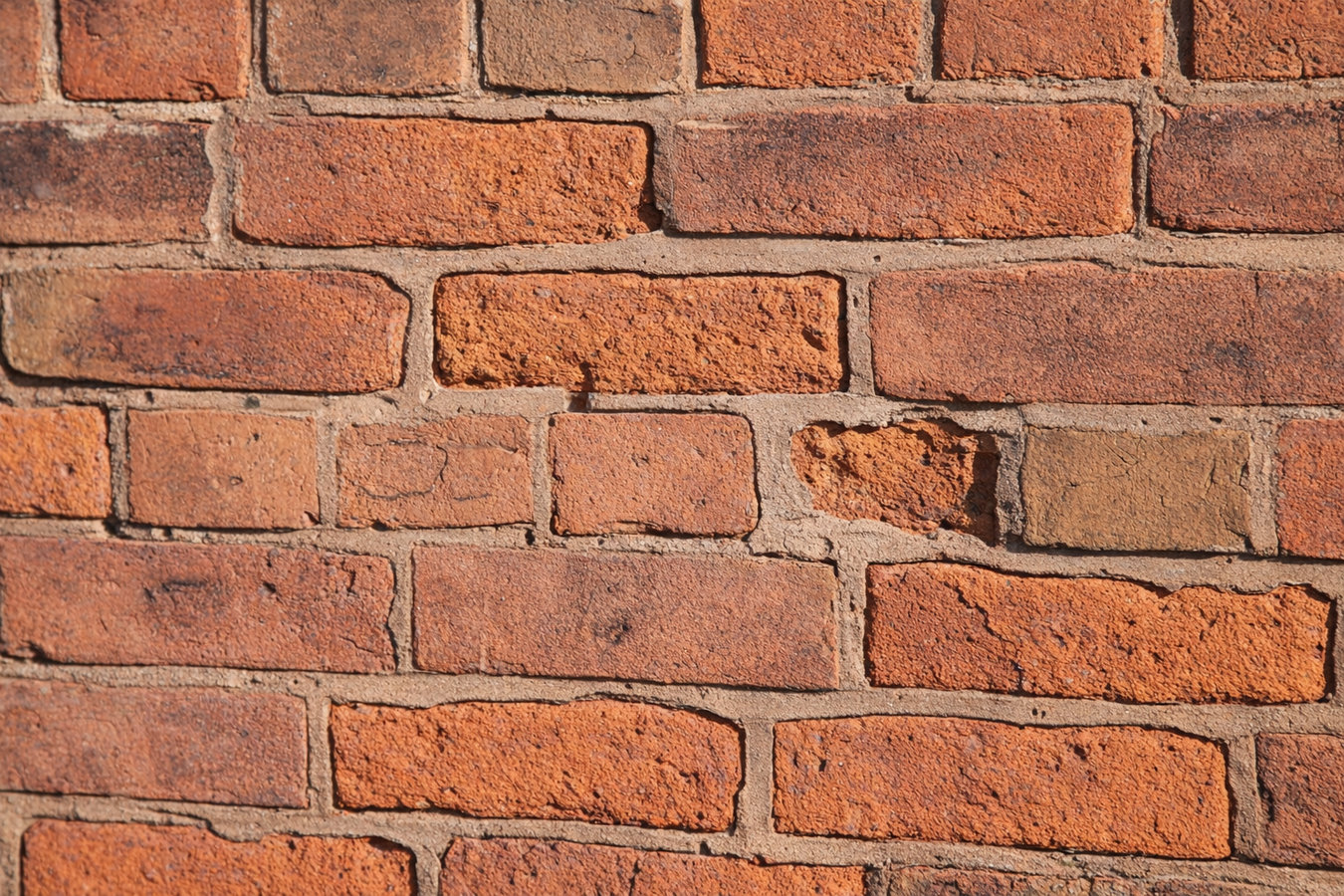
Crumbling mortar joints let water in with every rain. We restore them with the right mortar for your brick type - so your walls stay sealed, your bricks stay solid, and one repair job lasts the way it is supposed to.
Brick pointing - also called repointing - is the process of removing old, deteriorated mortar from the joints between bricks and replacing it with fresh mortar. A chimney or small wall section typically takes one to two days. A larger exterior wall can run several days to a week. Most routine pointing work does not require a permit in Walnut Creek - it is considered maintenance rather than new construction.
The mortar in a brick wall is softer than the bricks by design - it acts as a cushion that absorbs small movements so the bricks themselves do not crack. Over time, weather and moisture break it down. In Walnut Creek, the wet winters and dry summers accelerate that process - mortar on north and west-facing walls, where surfaces stay damp longer, often wears out noticeably faster than on the sunnier sides of a home.
Brick pointing is closely related to our foundation repair work - both address what happens when water finds a path into a masonry structure and begins breaking it down from the inside. If your mortar joints have been failing for a while, it is worth having a mason assess whether any moisture has reached the structure beneath.
Run your finger along the joints on your chimney, exterior wall, or garden border. If mortar crumbles away easily, comes out in chunks, or leaves a visible gap, the joint is no longer doing its job. This is common in Walnut Creek homes built before 1980, where original mortar has been through decades of wet winters and dry summers without ever being touched.
White, chalky streaks on a brick wall - called efflorescence - are an early warning that water is moving through the wall and carrying mineral salts to the surface. In Walnut Creek's rainy season, this is one of the first visible signs that mortar joints are no longer sealing out moisture. The staining is not dangerous on its own, but what it signals - water getting in - can become a serious structural problem if ignored.
If you press on individual bricks and they move even slightly, or if some bricks no longer sit flush with the rest of the wall, the mortar holding them has likely failed. This is more urgent than surface crumbling - loose bricks are a safety concern, especially on chimneys or elevated walls. After any earthquake activity in the area, this is worth checking on any exterior brick surface.
Chimneys take more weather exposure than any other part of a brick structure and often show mortar wear years before the rest of the wall. If the joints on your chimney look recessed, discolored, or uneven compared to the brickwork lower on your home, pointing is likely overdue - and chimneys are one place where waiting can lead to water damage inside the house before you realize what happened.
We handle brick pointing and mortar restoration on chimneys, exterior walls, garden walls, retaining borders, and any other brick surface throughout Walnut Creek and surrounding Contra Costa County communities. Every job starts with a close-up inspection of the existing joints - checking mortar depth, hardness, and color - so the new mortar matches the strength and appearance of what was originally there. Using mortar that is too hard for older bricks is one of the most common mistakes in this trade, and it causes the bricks themselves to spall and crack over time. The Brick Industry Association material standards guide our mortar selection for each project type.
For homeowners whose brickwork has damage beyond joint deterioration - cracked or spalled bricks, loose sections, or areas affected by water intrusion - our masonry restoration team handles the broader repair work alongside or separately from the pointing. If you are uncertain whether your project needs simple pointing or a more involved restoration, the site visit and estimate process will give you a clear picture before any work is committed to.
Best for homeowners whose chimney mortar is visibly recessed, crumbling, or discolored - chimneys take the most weather exposure and are the first place mortar fails on most Walnut Creek homes.
Right for homeowners with mid-century homes whose original mortar - now 50 to 70 years old - is reaching the end of its useful life and needs systematic replacement before bricks start to loosen.
Suited for homeowners with low brick garden walls, planter borders, or entry pillars where mortar has crumbled after years of ground contact and seasonal moisture in Walnut Creek's clay soil environment.
Ideal for homeowners who want a professional assessment of mortar joint condition after earthquake activity - hairline cracks from seismic movement are not always visible from the ground but can let significant moisture in over time.
Two local conditions make mortar joint maintenance more important here than in many parts of the country. The first is the climate: Walnut Creek gets most of its rain between November and March, then goes almost completely dry through the long summer. That cycle of soaking and drying causes mortar to expand and contract repeatedly, breaking it down faster than a more stable climate would. Joints on north and west-facing surfaces - where moisture lingers longer - tend to fail years before the rest of the wall. Homeowners in Concord and Pleasant Hill face the same climate pattern, and we see the same accelerated mortar wear in those communities as well.
The second factor is the housing stock. Many Walnut Creek neighborhoods - particularly Larkey Park, Northgate, and Saranap - were built between the 1950s and 1970s. Brick and masonry from that era is now 50 to 70 years old, which puts it squarely in the range where original mortar joints are reaching the end of their useful life. Combine that with Walnut Creek's proximity to the Calaveras and Concord fault systems - where even minor seismic activity opens hairline cracks in joints over time - and the case for a professional inspection every few years is stronger here than most homeowners realize until water damage has already started.
We respond within one business day. The first conversation covers where the brickwork is located, roughly how large the area appears, and whether you have noticed any specific damage - enough to schedule a site visit without requiring you to have all the answers ready.
We walk the area with you, look closely at mortar depth and condition, check whether any bricks are loose, and identify the original mortar type. You receive a written estimate within a few days that spells out scope, materials, and total cost - not a verbal range that shifts after work starts.
The crew grinds or chisels out old mortar to a consistent depth, then packs in fresh mortar matched to your original. Joints are tooled to match the existing wall profile. Most small-to-medium projects are completed in one to three days. The work stays outside - you can remain home throughout.
Fresh mortar stays dry for at least 24 to 48 hours - we tell you exactly what to avoid during that window, including nearby irrigation and sprinklers. We do a final walkthrough to show you what was done and point out anything worth watching going forward.
We come out, inspect your mortar joints in person, and give you a written price before any work begins. No pressure, no obligation.
(925) 532-0850The most common pointing mistake is using mortar that is too hard for older bricks - it causes the bricks themselves to spall and crack within a few years. We identify the original mortar type and match the new mortar to it, so the repair lasts the way it should and does not create a more expensive problem down the road.
Many Walnut Creek homes were built between the 1950s and 1970s, and brick from that era requires a different mortar specification than newer construction. We work regularly in neighborhoods like Northgate, Larkey Park, and Saranap - so this is not something we figure out on your job, it is something we already know.
Living near active fault lines means brick joints can develop hairline cracks from ground movement that are not visible from a distance. We inspect for seismic joint damage as part of every assessment, so the quote covers what actually needs to be addressed - not just what is easy to see from the sidewalk.
California requires a contractor license for any masonry work valued at $500 or more. You can verify our license status on the California Contractors State License Board website in about two minutes. Unlicensed work is not covered by California's contractor protections, and it can create problems when you sell your home.
Getting pointing done correctly the first time - with the right mortar, done before the rainy season - is almost always less expensive than addressing the water damage that follows when it is put off. Call us or submit a request and we will schedule a site visit within the week.
Structural repair for foundations compromised by water intrusion, soil movement, or years of deferred maintenance - the deeper issue that failing mortar joints can eventually cause.
Learn MoreFull masonry surface repair for brickwork with damage beyond joint deterioration - including cracked or spalled bricks, loose sections, and water-damaged areas.
Learn MoreMortar repairs done before November cost far less than dealing with water damage after a wet winter - reach out now and we will schedule a site visit this week.