
Loading...
Serving Walnut Creek, CA and surrounding areas. (925) 532-0850
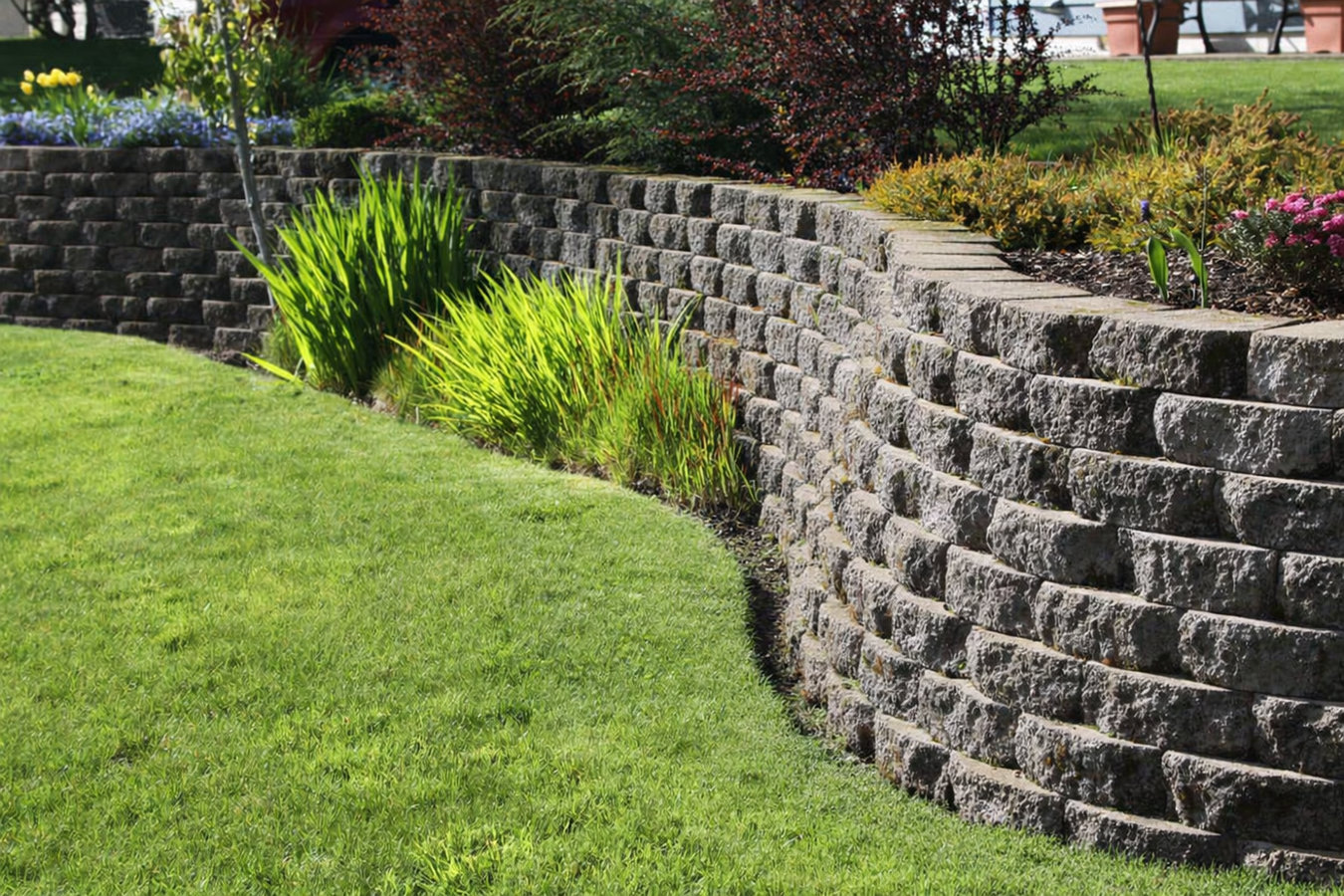
Hillside soil washing down after every rain? We build retaining walls designed for local clay soils, with drainage behind every wall and permits handled for you.
Retaining wall construction in Walnut Creek holds back soil on a slope to stop erosion and create usable level ground, most residential walls take two to five days to build once permits are in hand.
If you have a hillside lot and watch soil creep downhill every rainy season, a properly built retaining wall stops that cycle permanently. Walnut Creek's foothills neighborhoods - including Northgate and the areas near Mount Diablo - are full of sloped lots where retaining walls are not optional, they are what makes the property usable. Without one, erosion, slope failure, and water directing toward your home are ongoing risks. For homeowners looking to rebuild aging infrastructure, our masonry restoration service addresses existing block, brick, and stone walls that need repair rather than full replacement.
A well-built retaining wall does two things: it holds the soil back structurally, and it manages the water pressure that builds up behind it. Both are equally important, and a wall that handles one without the other will not last in this climate.
If soil, mulch, or gravel migrates down your hillside after Walnut Creek's winter rains, erosion is already underway. You might see bare patches, small channels cut into the soil, or a buildup of dirt at the base of the slope. Left alone, this gets worse every rainy season and can eventually reach your foundation, driveway, or neighbor's property.
A retaining wall that tilts forward - even slightly - means the pressure behind it is winning. Horizontal cracks near the middle, vertical cracks at the corners, or sections bowing outward are signs the wall is losing its structural integrity. In Walnut Creek's clay-heavy soils, these problems accelerate once they start, so catching them early is far cheaper than waiting for a collapse.
If rainwater runs toward your home rather than away from it, a slope or grade problem is likely involved. Retaining walls can redirect how water moves across your property. Water stains on the foundation, soggy soil against the house, or standing water in areas that should drain are all signs worth having assessed before the next rainy season.
Older Walnut Creek homes - particularly those built in the 1960s and 1970s - often have original timber retaining walls that are now 40 to 60 years old. If the wood looks dark and weathered, posts feel soft when you press on them, or sections have already shifted, the wall has reached the end of its life. Replacing it before it fails completely is far less disruptive and expensive than dealing with a slope failure.
We build retaining walls from concrete block, poured concrete, natural stone, and brick - each material suited to different slope conditions, load requirements, and aesthetic preferences. Every wall includes properly installed drainage behind it: gravel backfill and drainage pipe to carry water away safely so pressure does not build up against the wall over time. We handle permits through the City of Walnut Creek's Building Division and coordinate the final inspection. For homeowners who also want to level a sloped area for a patio or garden, retaining walls often work alongside concrete block walls to create terraced outdoor spaces on hillside lots.
When an existing wall is structurally sound but cosmetically worn, repair and tuckpointing can extend its life without full replacement. We assess each wall on its own merits and give you an honest recommendation on whether repair or replacement is the better investment given the wall's age, material, and the soil conditions behind it.
Best for homeowners with eroding slopes, planned outdoor improvements on a hillside, or properties where the current wall has failed beyond repair.
Suited for properties with aging timber or concrete block walls that are leaning, cracking, or no longer holding the slope effectively.
Ideal for steep hillside lots where a single tall wall is not the right solution - multiple shorter terraced walls create stable, level areas for outdoor use.
For walls that are structurally sound but showing water staining or pressure damage at the base - adding or restoring drainage behind the wall can extend its life significantly.
Walnut Creek sits at the base of the Mount Diablo foothills, and a significant portion of its residential neighborhoods feature sloped lots that were graded when homes were built in the 1950s through 1980s. Many of those original retaining walls - often timber or plain concrete block - are now 40 to 60 years old and reaching the end of their practical life. The clay-heavy soil in this area puts constant pressure on those walls as it swells and shrinks through wet winters and dry summers. A wall built without proper drainage behind it is fighting a battle it will eventually lose. We work regularly in Pleasant Hill and Lafayette, where hillside lots and aging infrastructure are equally common.
The City of Walnut Creek's permit threshold for retaining walls is three feet - lower than the state default - which means walls that look modest can still require a permit once the footing depth is counted. Skipping the permit on a structural project like this creates real liability for you as the homeowner. We pull the permit before any work begins, coordinate the city inspection, and make sure the finished wall is on record - so it does not become a problem when you sell the property.
We walk your property, look at the slope, the soil, any existing walls, and how water moves across your yard. You will receive a written estimate within one business day that covers materials, labor, and any permit or engineering fees.
If your wall requires a city permit - which it likely will if it is over three feet - we submit the application to the Walnut Creek Building Division. This process typically takes two to six weeks, and we keep you updated throughout.
The crew marks utility lines through the state's free locating service, then excavates the footing and begins building the wall. Drainage gravel and pipe go in behind the wall as it rises - this is the work that determines how long the wall lasts.
After the wall is complete and backfilled, we clean up the site and coordinate the city's final inspection. Once the inspector signs off, the permit is closed and your wall is on record. The whole active construction phase for most residential walls takes two to five days.
We come to you, assess your slope and soil, and give you a written quote at no cost. Permits, drainage, and inspections are all handled for you.
(925) 532-0850The most common reason retaining walls fail is poor drainage behind them - water pressure builds up and eventually pushes the wall outward. Every wall we build includes gravel backfill and drainage pipe, so water escapes safely instead of accumulating pressure against the wall face.
The city's three-foot permit threshold - measured from the footing bottom, not the visible wall height - catches many homeowners and contractors off guard. We know this threshold and submit the application before work begins, so there are no stop orders and no unpermitted work left on your property.
Walnut Creek's expansive clay soils require a different approach than flat-terrain cities. We account for soil movement in every wall's design - proper footing depth, the right batter angle, and drainage sized for the slope. That local knowledge is the difference between a wall that holds for decades and one that starts shifting within a few years.
Not every aging wall needs to come down. We assess what is actually happening structurally and give you a straight answer about whether repair or replacement is the right call. If a wall can be fixed for significantly less than replacement, we will tell you that - and explain what to watch for over time.
Every retaining wall we build in Walnut Creek is permitted, inspected by the city, and designed with drainage from the start. That is the combination that makes a wall last through decades of local wet-dry cycles - not just the first few rainy seasons, and it is what separates a skilled retaining wall contractor from crews who treat drainage as an afterthought.
Repair and restore aging brick, block, or stone walls that still have structural life left but need professional attention.
Learn MoreBuild freestanding concrete block walls for privacy, property boundaries, or terraced garden areas on your Walnut Creek lot.
Learn MoreLate spring and summer slots fill fast - contact us now to get your project on the calendar before the next rainy season.