
Loading...
Serving Walnut Creek, CA and surrounding areas. (925) 532-0850
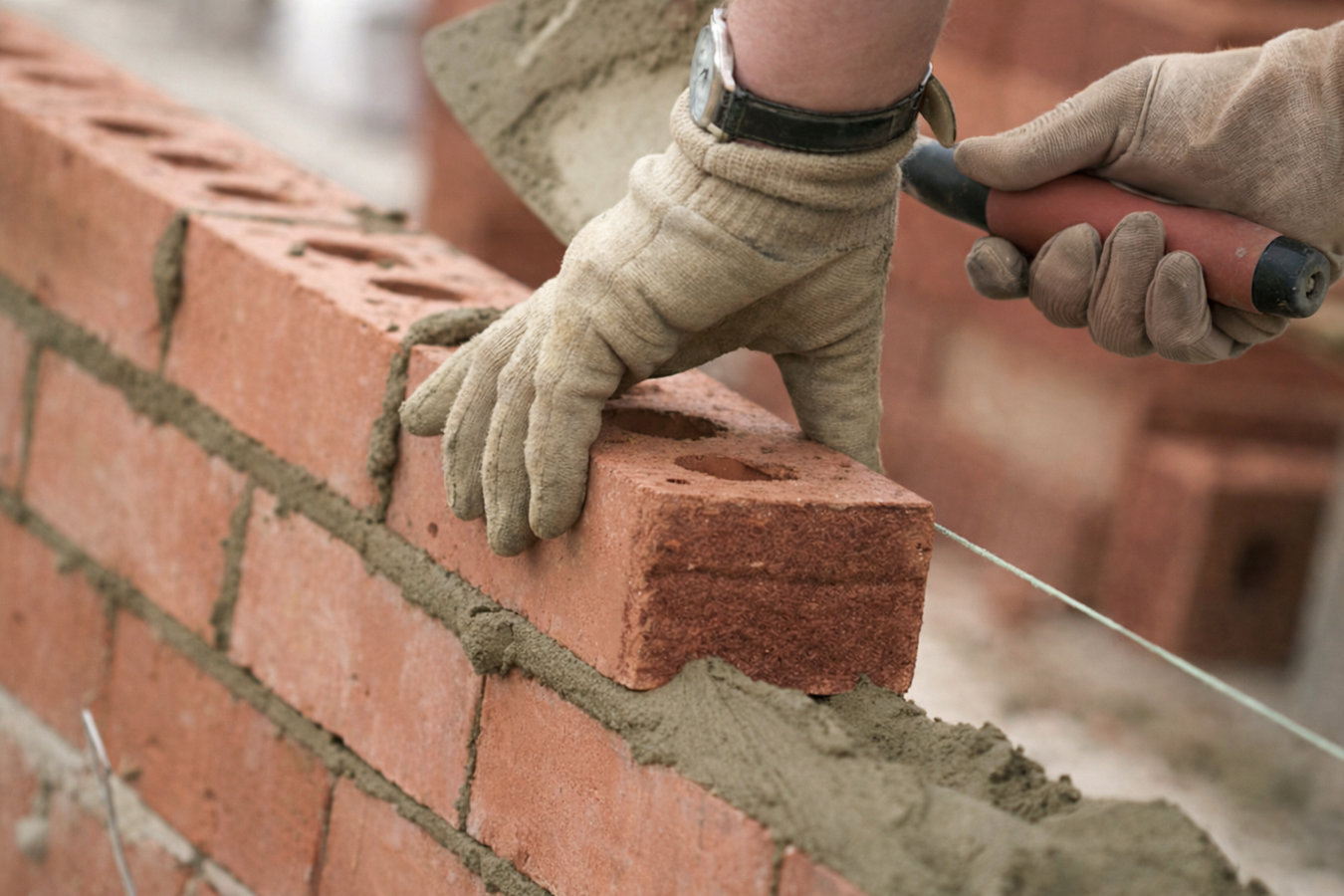
A brick wall is only as strong as what sits underneath it. We build footings sized for Walnut Creek's clay soils and seismic conditions - so your wall stays straight and solid through wet winters, dry summers, and everything in between.
Brick wall installation in Walnut Creek means digging a concrete footing below ground, then laying individual bricks in overlapping rows bonded with mortar - building up course by course until the wall reaches its finished height. A straightforward garden wall typically takes two to five days; a longer privacy wall can run one to three weeks.
The footing is where the job either holds up or fails. Walnut Creek sits in one of the more seismically active parts of California, near the Calaveras and Concord faults, and the native clay soil shifts measurably with each wet and dry season. A footing that is sized and reinforced for those conditions keeps the wall straight and stable year after year. A footing that is not will show cracks and lean within a few years of installation. If your project calls for a masonry structure to complement the wall - such as a finished garden bed border or an outdoor entertaining space - our brick repair team can also assess any existing brick structures on your property and address issues before they grow.
Most residential brick wall projects in Walnut Creek require a building permit for walls over a certain height, and many homeowners in this area also need HOA approval before work begins. We handle both, so you are not left chasing paperwork or navigating approval processes on your own.
If a wall is no longer straight up and down - even slightly - the footing has shifted or been undermined. In Walnut Creek, this often happens after a wet winter when clay soils swell and then dry out unevenly. A leaning wall will not fix itself and can become a safety hazard, especially if children or pets are nearby.
Run your finger along the joints between bricks. If the mortar feels soft, sandy, or comes away easily, water has been getting in and breaking it down. Left alone, this allows moisture to work deeper into the wall - and in Walnut Creek's wet winters, that damage accelerates quickly. At a certain point, patching is not enough and a section of wall needs to be rebuilt.
If your yard drops off sharply and there is nothing holding the soil in place, you are at risk of erosion - especially during heavy rain. Walnut Creek's hillside neighborhoods and clay soils make this a common situation. A properly built brick wall stops soil from washing away and can turn an unusable slope into a flat, functional space.
Major outdoor improvements almost always benefit from a low brick wall to define the space, contain planters, or provide seating. If you are planning a backyard renovation and the space feels undefined, a brick wall is often the structural element that pulls everything together - and the right time to build it is before landscaping and hardscaping go in around it.
We install brick walls throughout Walnut Creek and surrounding Contra Costa County communities - garden walls, privacy walls, low seat walls, and retaining structures. Every project starts with the footing: dug to a depth that accounts for Walnut Creek's clay soil movement, reinforced with steel for the area's seismic conditions, and sized based on the wall's height and load. The Brick Industry Association material and construction standards guide our brick selection and mortar specifications for each project type. For homeowners who want brick veneer applied to an existing masonry structure rather than a freestanding wall, our stone masonry team handles mixed-material facade and veneer work, and for walls with existing mortar damage that can be repaired rather than replaced, our brick repair crew assesses and restores the affected sections.
We handle permits and HOA submissions for all projects that require them - which in Walnut Creek covers most freestanding walls over three feet. You receive a written, itemized estimate after the site visit, not a range from a conversation. Design choices, brick type, and mortar color are finalized before work begins, because changes after the footing is poured cost more and add time. We schedule construction during Walnut Creek's dry season - late spring through early fall - so mortar cures correctly and the project is not interrupted by rain.
Best for homeowners who want a defined property boundary, a planting border, or a low wall that separates outdoor spaces without fully enclosing them.
Right for homeowners who want full visual separation from a neighbor, street, or nearby commercial property - built to city height limits and HOA guidelines where applicable.
Suited for homeowners with sloped lots who want a retaining structure with the traditional appearance of brick rather than concrete block, with proper drainage designed into the back of the wall.
Ideal for homeowners adding a patio, pool deck, or outdoor kitchen who want low brick walls to define the space, provide built-in seating, or frame planter areas around the perimeter.
Two conditions make Walnut Creek different from easier markets: the clay soil and the seismic zone. The clay soil throughout Contra Costa County swells when the ground is wet in winter and shrinks in the dry summer heat. That seasonal movement puts real stress on any structure anchored in the ground - and a footing that does not account for it will shift, which causes the wall above it to crack and lean. We dig deeper and wider than the minimum and use reinforced concrete footings to keep the wall stable through that annual cycle. Homeowners in Danville and Lafayette face the same soil conditions, and we apply the same approach throughout the area.
The proximity to active fault lines - particularly the Calaveras and Concord faults - means California requires masonry walls to be built with reinforcing steel inside the structure. This is not an optional upgrade; it is a code requirement in this region, and a contractor who does not build it in is cutting a corner that affects the safety of the structure. We build to current California seismic requirements on every wall, which also means the wall is documented as code-compliant if you ever sell your home or need to make an insurance claim. The California Geological Survey maintains up-to-date seismic hazard mapping for Contra Costa County that informs current construction standards in Walnut Creek.
When you reach out, we ask a few questions - roughly how long and tall you want the wall, what it is for, and whether you have checked with your HOA. We schedule a site visit from there. No honest contractor can give you a real number without seeing the ground and the access. We respond within one business day.
At the site visit, we check the soil, measure the area, and discuss design options with you. If your wall requires a permit - which is likely for anything over three feet in Walnut Creek - we handle the permit application on your behalf. Permit approval in Walnut Creek generally takes one to three weeks, so factor that into your timeline.
The crew digs a trench and pours a reinforced concrete footing - the underground base that keeps the wall stable. This is the most critical part of the project. The footing needs to cure for at least 24 hours before bricklaying begins, so you may see a pause in visible progress after the first day.
Once the footing is set, the mason lays bricks course by course, checking level and alignment as the wall rises. If a permit was pulled, we schedule the final city inspection. After sign-off, we do a full site cleanup and walk you through the 28-day mortar curing period - avoid pressure-washing or heavy loads against the wall until it reaches full strength.
Written quote after the site visit. Permits and HOA submissions handled. No obligation.
(925) 532-0850Walnut Creek's expansive clay soils and East Bay seismic zone are not hypothetical concerns - they are conditions that cause poorly built walls to crack, lean, and fail within a few years. Every footing we pour is reinforced with steel and sized for local soil behavior. That is not extra work; it is the baseline for a wall that lasts in this area.
Most brick walls in Walnut Creek require a city permit, and many require HOA approval on top of that. We know the City of Walnut Creek permit process and have worked in HOA-governed neighborhoods across Contra Costa County. We handle the paperwork so you are not left navigating two separate approval processes while trying to get a project started.
We give you a written, itemized quote after seeing your property in person - not a range pulled from a general cost guide. The quote covers footing excavation and pour, materials, bricklaying labor, and cleanup. The number you agree to is the number you pay. If something changes the scope, we talk about it before the work changes.
California requires a valid contractor's license for any job over $500. You can verify our license - and any contractor's - on the CSLB website before work starts. We carry general liability insurance and workers' compensation coverage, and we pull every permit the project requires - no cutting corners to keep a price low.
A brick wall is a long-term investment in your property. The difference between one that lasts 50 years and one that starts failing in five comes down to the footing, the reinforcement, and the mortar cure - all the things that happen before the wall looks like anything at all. That is where we put the attention.
Natural stone walls and veneer work that pairs with brick structures for a mixed-material look suited to Walnut Creek's established neighborhoods.
Learn MoreTargeted repair of existing brick walls showing cracks, mortar failure, or sections pulled out of alignment by soil movement or root intrusion.
Learn MorePermit season fills up fast - lock in your project before the summer window closes and the rainy season makes scheduling harder.