Loading...
Serving Walnut Creek, CA and surrounding areas. (925) 532-0850
Cracked bricks and failing mortar get worse with every season. We replace damaged units and repack mortar joints so your wall is solid, sealed, and ready for Walnut Creek summers and winters alike.
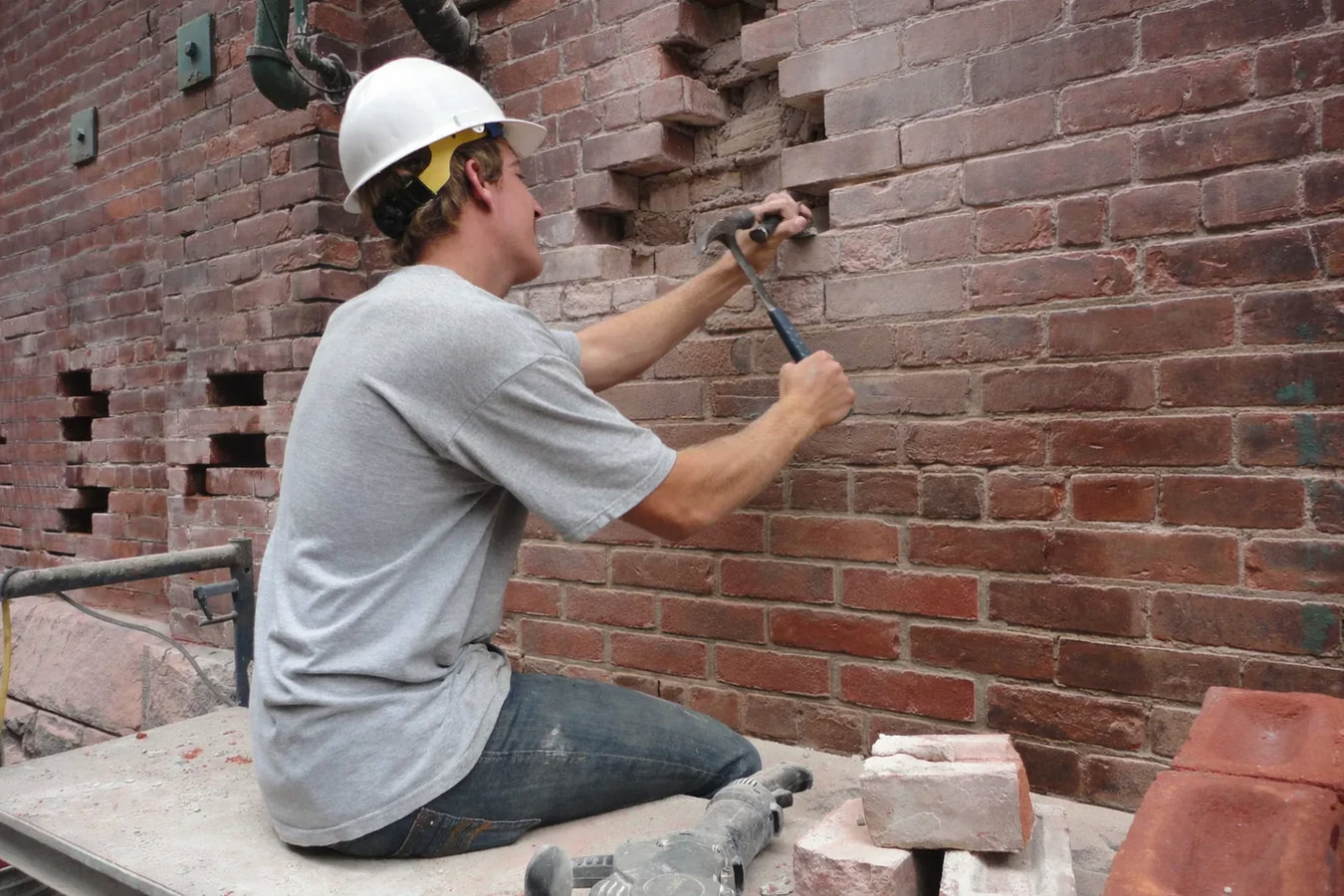
Brick repair in Walnut Creek covers replacing cracked or crumbling individual bricks and refreshing the mortar joints between them, most jobs take one to three days depending on how much of the wall is affected.
The mortar - the material filling the gaps between bricks - often fails first because it is designed to be softer than the brick and absorb stress over time. In Walnut Creek, where summer heat regularly climbs past 95 degrees and the rainy season delivers heavy downpours from November through March, that stress cycle shortens the mortar lifespan. Catching mortar problems early almost always costs less than waiting until bricks themselves crack or shift. If the damage has spread to the joints themselves, we can pair brick repair with tuckpointing to address the full wall in a single project.
Older Walnut Creek homes - particularly those built in the 1950s and 1960s in neighborhoods like Northgate and the streets near downtown - were built with softer, lime-based mortar that has simply reached the end of its service life. Using the wrong mortar mix on these walls can actually crack the original brick, so matching the material to your home is one of the most important parts of the job.
Run your finger along the joints between your bricks. If the mortar feels soft, sandy, or crumbles away easily, it is no longer holding the wall together or keeping water out. This is one of the most common signs in Walnut Creek's older neighborhoods, where original mortar from the 1950s and 1960s has reached the end of its lifespan.
New cracks in a brick wall, planter, or chimney after a stretch of extreme heat or after the first heavy rains of the season are a sign the mortar has lost its flexibility. Walnut Creek's combination of hot, dry summers and wet winters puts more stress on mortar joints than most homeowners realize.
White powdery residue on brick - called efflorescence - means water is moving through the wall and leaving mineral deposits behind. Flaking on the brick face means the surface is breaking down. Both are signs that water is getting in through failed mortar joints, and the problem will get worse if left alone.
If one or more bricks look like they have moved - sticking out slightly, tilting, or creating an uneven surface - that is a structural concern. In a seismically active area like Walnut Creek, even small shifts in brick alignment deserve a professional look, because what appears minor on the surface can indicate a larger issue with the wall's stability.
We handle the full scope of brick repair work, from replacing a handful of cracked units to repairing chimney damage and garden wall sections. Every job starts with a walk-through so we can show you exactly which bricks need replacing versus which just need mortar work. We also offer tuckpointing for walls where the mortar joints are failing across a larger section - most repair jobs involve some combination of both.
Color matching is a priority on every job. We take time to match the mortar color and texture to your existing wall so the repair blends in rather than standing out. For older homes with unique brick styles, we source compatible replacement units when possible. We also handle driveway pavers if the damage has extended to exterior hardscape areas around your home.
Suits homeowners with cracked, spalled, or shifted bricks that need to be removed and reset without disturbing the surrounding wall.
Suits walls where the brick units are sound but the mortar has failed - grinding out old material and packing in a matched fresh mix.
Suits homeowners with chimney damage from weather exposure or minor seismic movement who need joints and units restored before the rainy season.
Suits owners of decorative brick features where crumbling joints or cracked units are affecting both appearance and structural integrity.
Walnut Creek sits in Contra Costa County close to the Calaveras and Concord faults, making it one of the more seismically active residential areas in the Bay Area. Brick and mortar are rigid materials, and even minor ground movement can shift bricks slightly out of alignment or open mortar joints that were already showing wear. Parts of the county also sit on expansive clay soils that swell when wet and shrink when dry - that seasonal movement is a leading cause of cracked walls, heaved steps, and shifted bricks that homeowners in Martinez and Pittsburg see regularly as well.
The housing stock adds another layer of complexity. Many Walnut Creek neighborhoods have homes built in the 1950s and 1960s with lime-based mortar that is well past its service life. Repairing these walls correctly means matching a softer mix to the original material - a detail that matters more here than in newer construction. The National Park Service Preservation Briefs provide detailed guidance on compatible mortar selection for older masonry, and we follow those standards on every vintage-home repair. Getting it wrong causes the brick itself to crack - which turns a manageable repair into a much larger job.
We ask a few quick questions about where the damage is and whether you have noticed water intrusion or structural movement. We schedule an on-site visit within a few days - you will hear back from us within one business day.
A mason walks the repair area with you, explains what needs to be done and why, and gives you a written estimate before any work is agreed to. We never pressure you to sign on the spot.
We remove damaged mortar and broken bricks - expect some noise from chiseling and grinding - then clean the area thoroughly before applying fresh mortar or setting new bricks. We take time to match mortar color and texture to your existing wall.
We clean all debris, remove drop cloths, and walk the finished repair with you. Fresh mortar looks dry within a day or two but takes about four weeks to reach full strength - we tell you exactly what to avoid during that window.
Free on-site estimate. Written quote. No obligation. We respond within one business day.
(925) 532-0850We hold a valid C-29 Masonry license through the California Contractors State License Board. You can look up any contractor's license number on the CSLB website in about two minutes - it tells you whether they are active, bonded, and whether any complaints have been filed.
We have worked on brick walls, chimneys, and garden structures throughout the Diablo Valley since 2020. We understand how the local climate and soil conditions affect masonry here, and that knowledge informs every repair decision we make.
Using hard modern cement on a 1960s Walnut Creek home can crack the original brick. We assess your existing mortar before mixing anything new and use a compatible formula - the same principle the Mason Contractors Association of America recommends for older residential masonry.
We walk you through the repair area before we begin, explain any changes in scope as they come up, and make sure the final invoice matches what we agreed on. No surprise line items, no pressure to expand the job beyond what is actually needed.
A well-matched repair done with the right materials on the first visit is the outcome every homeowner deserves. That is what licensing, local experience, and honest scoping actually deliver - not just a patch that looks fine until the next rainy season.
Replace cracked or heaved driveway surfaces with durable paver systems designed for Walnut Creek's clay soils and seasonal ground movement.
Learn MoreWhen mortar joints are failing across a larger wall section, tuckpointing removes and replaces all the deteriorated material in a single pass.
Learn MoreFall is the best window for masonry work in Walnut Creek - spots fill up fast once homeowners spot summer damage. Call or get a free estimate today.